A ten-day route built from the places I actually keep going back to — not a highlight reel copied off a brochure. Flamingo lakes, red Tsavo earth, dhow sails to Wasini, the quiet lanes of Lamu.
Security personnel, briefings before every activity, and a 24-hour on-call contact for the whole trip.
Nyama choma in the highlands, coconut-and-tamarind Swahili cooking, seafood on the coast.
20 travellers, luxury bus, private chartered plane, custom 4x4 safari landcruisers.
I was born and raised around Mombasa and lived in London for the last 10 years. This itinerary isn't stitched together from a map. It's the route through my own country that I keep coming back to: the coast I grew up on, the Rift Valley lakes I've explored, the savanna I know the smell of.
I built this first departure to share that with a small group properly — not rushed, not generic, and grounded in places and people I actually trust.
— Said
Land and depart in Nairobi. In between: Rift Valley lakes, a scenic rail journey south, Tsavo West, and the Swahili coast — arranged so driving days stay short and every stop earns its place.
Arrival, departure, and a sunrise safari with the skyline behind you.
Naivasha, Olkaria Geo Spa, Hell's Gate, Lake Nakuru, Lake Bogoria.
A scenic train south, then red-earth savanna and highland views.
Mombasa, Wasini Island, and Lamu's old town.
A realistic pace — no two-hour park visits squeezed between transfers. Times and order can flex slightly with weather, road conditions, and tides at the coast.
Land at Jomo Kenyatta International, transfer to our Nairobi base, and settle in. Evening welcome dinner with the group and your guide — a first run-through of the route, packing check, and questions answered before anyone's jet-lagged brain has to think too hard.

This is the one people don't expect: an early game drive in Nairobi National Park, where lions, giraffe and rhino graze with the city's skyscrapers rising in the background — a view that exists almost nowhere else on Earth. Afterwards we drop off the escarpment into the Rift Valley, arriving at Lake Naivasha in time for an afternoon boat ride among hippos and fish eagles.

One of the only parks in Kenya you can cycle or walk through unescorted among the wildlife — towering red cliffs, a gorge on foot, zebra and giraffe at eye level. Afternoon free at the geothermal spa to soak it off.

Morning game drive in Lake Nakuru National Park — rhino sanctuary, tree-climbing lions, and lake edges pink with flamingos when the water level cooperates. Then on to Lake Bogoria, where geysers and hot springs steam right at the shoreline.

Back to Nairobi to board the Madaraka Express, Kenya's Standard Gauge Railway — one of the most scenic rail journeys in East Africa. The line runs straight through Tsavo's wilderness on an elevated viaduct, so keep your eyes on the window: elephant, giraffe and zebra are regularly spotted from your seat. We alight at Voi and transfer by road into the Taita Hills for the night.

A full day in Tsavo West — Mzima Springs' underwater hide for hippos and crocodiles, volcanic lava fields, and the park's famous red-dust elephants, dyed the colour of the soil they bathe in.
A shorter road transfer from Voi down to the coast, arriving into Diani/south coast by afternoon — first sight and smell of the ocean after five days inland. An evening free to settle in before Wasini tomorrow.

Drive south to Shimoni, then a traditional dhow crossing to Wasini Island. Dolphin watching, snorkelling on the reef, and a full seafood lunch cooked island-style — coconut, tamarind, chilli, straight off the boat.
.jpg?width=900)
Short flight up to Lamu — a different Kenya again. No cars on the island; donkeys and dhows do the work. Wander the UNESCO-listed old town, then a sunset dhow cruise along the channel.
A slow final morning — Shela beach walk, the market, a last look at those carved Swahili doors — before flying back to Nairobi for onward connections.

Places along the route we've personally enjoyed and have our eye on for this trip. None of these are confirmed bookings. Availability for a November group decides the final list — but they give a real sense of the standard we're aiming for.
Sits right on the edge of Nairobi National Park, with the skyline and the savanna both in view. A fitting first and last night.
A small stone-and-acacia lodge above Lake Naivasha, overlooking its own waterhole — our pick for the Naivasha/Hell's Gate nights.
Stilted rooms built around a floodlit waterhole in Tsavo's Taita Hills Wildlife Sanctuary — genuinely one of our favourite stays in Kenya.
Right on Diani's white sand, and our tentative base for the south coast leg before Wasini.
Dinner inside a 12,000-year-old coral cave open to the night sky.
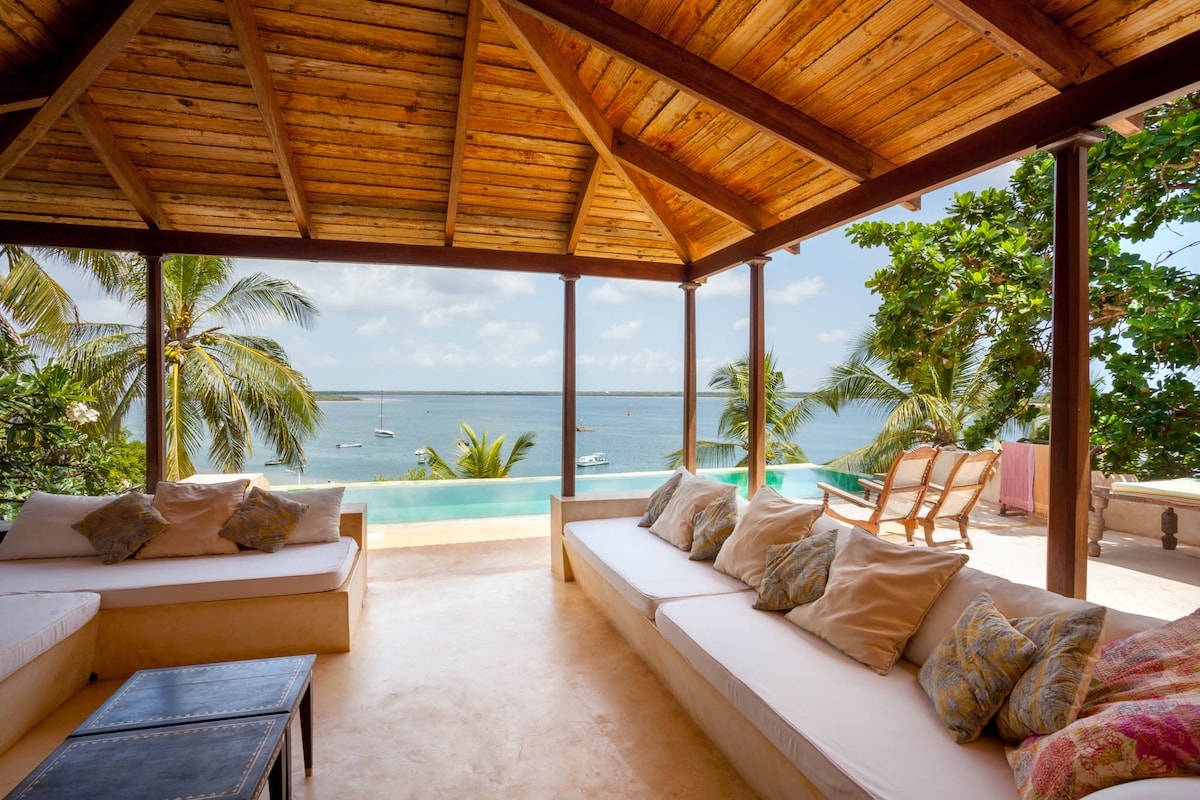
Traditional Swahili guesthouses in Lamu's old town, carved doors and all — our first choice for the Lamu nights.
November sits in Kenya's "short rains" — expect warm days, brief afternoon showers rather than all-day washouts, and green landscapes. Figures below are long-term November averages, not forecasts.
Kenya's capital and our start/end point. Cool evenings by East African standards — pack a light layer for the airport transfer and evening dinner.
The floor of the Great Rift, dotted with soda lakes that shift color with the flamingo populations feeding on them. Mornings are the clearest and best for game viewing.
One of Africa's largest protected ecosystems — famous for red-dust elephants who bathe in the volcanic soil. This trip covers Tsavo West only; Taita Hills offers a cooler, greener break above the plains.
Where I'm from. Humid, tropical, and unmistakably Swahili — coral-stone architecture, carved doors, and food built on coconut, tamarind and fresh catch.
Safety isn't a line in the small print here — it shapes the route, the vehicles and the pace.
Every driver-guide is certified by the Kenya Professional Safari Guides Association, with years on these specific routes.
Pop-top safari vans, seatbelts, first-aid kits and radio contact between vehicle and base at all times.
Insurance, security, food, accommodation and travel between stops are all handled and built into the trip.
A dedicated number for the whole trip — not a call centre. Answered by someone who knows exactly where you are that day.
Cycling at Hell's Gate, snorkelling at Wasini, walking near wildlife — each gets a proper safety briefing, no exceptions.
Guidance on exploring Lamu's old town, respectful photography, and beach safety specific to each coastal stop.
Kenya's food changes as the landscape does — smoky highland grills in the Rift Valley, coconut-and-spice cooking on the coast. These are real dishes from real kitchens along this route.
The highland classic — slow-grilled goat or beef, eaten with your hands, kachumbari salad on the side. Expect this around Nairobi and the Rift Valley.
Spiced, slow-cooked rice — a Swahili coast staple, usually served with kachumbari and fried mutton or fish. You'll see this from Mombasa through to Lamu.
The everyday staple across the highlands and Rift Valley — maize meal alongside braised collard greens, often with a simple stew. Simple, filling, and everywhere.
Plus: Wasini's seafood lunch cooked island-style, mahamri (coconut doughnuts) for breakfast on the coast, and fresh tropical fruit everywhere. Vegetarian and dietary requirements are easy to accommodate — just tell us when you book.
Kenya moved from visas to an Electronic Travel Authorization (eTA) system in January 2024 — most visitors, including infants, need an approved eTA before departure, applied for online at etakenya.go.ke (currently around USD 30, processed in a few days). Kenyan and East African Community passport holders are generally exempt. Check the official portal for your specific nationality closer to the date, since exemptions do change.
A yellow fever certificate may be required if you're arriving from a country where yellow fever is present — check current guidance for your routing. We'd also recommend a travel health consultation with your GP or a travel clinic a few weeks before departure to discuss malaria prevention and routine vaccinations for the areas we'll visit.
Moderate. The only physically active day is Hell's Gate (cycling or walking through the gorge, a few hours at an easy pace). Everything else is game drives, boat trips and walking around towns — comfortable for most fitness levels.
Layers. Mornings in the Rift Valley and Nairobi can be cool, afternoons warm up fast, and short rains mean a light rain jacket is worth having. On the coast it's hot and humid year-round — light, breathable clothing, plus something modest for Lamu's old town. Sunscreen, insect repellent and a hat for every leg of the trip.
Kenyan shillings are the local currency; cards are widely accepted in cities and coastal resorts, less so in smaller towns and markets. M-Pesa (mobile money) is used everywhere by locals — you don't need it, but don't be surprised to see it. We'll share a cash guide before departure.
Cameras, yes, absolutely — this route is built for them. Drones need a permit from the Kenya Civil Aviation Authority and are restricted or banned in most national parks and reserves without one; we'll advise ahead of time if you're planning to bring one.
Spots are limited to keep this trip the way it's meant to feel. Get in touch and I'll walk you through dates, pricing and what to prepare.